Storm Season Prep: Protecting Your Spring TX Home From Flooding
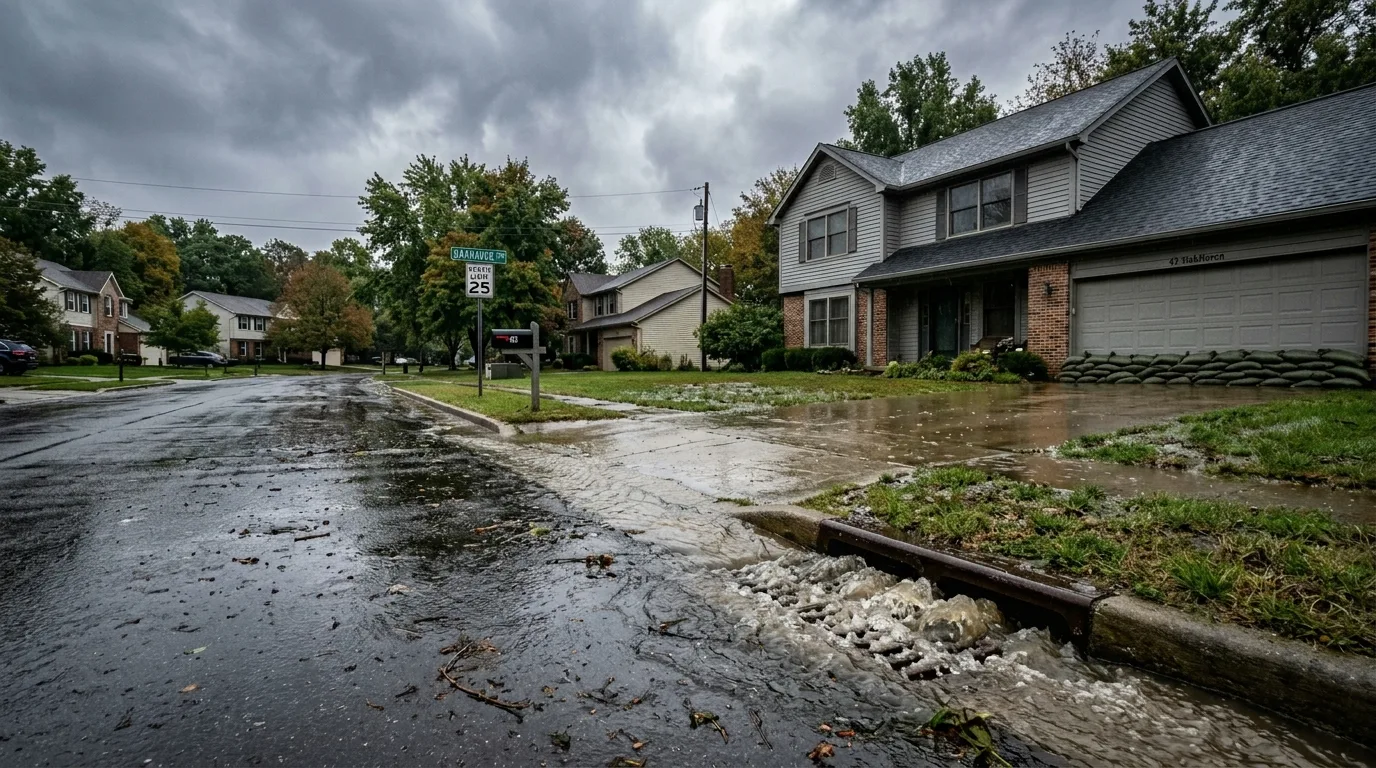
Spring’s hurricane season runs June through November, and the thunderstorm season that precedes it peaks March through May. Between them, there are roughly nine months per year when Spring homeowners face meaningful risk of water damage from external storm events. The homeowners who fare best after major storms aren’t the ones with the fastest response time during the event — they’re the ones who prepared before it.
In this post, we cover the specific pre-season preparation steps for Spring TX homeowners, what to do when a named storm is approaching Harris County, and how to think about insurance gaps in the context of Spring’s specific flood risk profile.
Storm Prep Questions for Spring TX Homeowners
We serve Spring homeowners before, during, and after storm season. Call (877) 698-1311 to discuss your specific risk.
Before Storm Season: The Spring TX Pre-Season Checklist
These steps should be completed before March (for thunderstorm season) and before June (for hurricane season). Most take under an hour and cost nothing beyond some basic supplies.
Know your floodplain status. Check FEMA’s Flood Map Service Center at msc.fema.gov to determine whether your Spring address is in a Special Flood Hazard Area. If you’re in Zone AE or X500 — common near Cypress Creek and Spring Creek — flood insurance isn’t optional, it’s essential. If you’re outside the mapped flood zone, review Spring’s flood history: the Tax Day Flood, Harvey, and Imelda all flooded properties outside mapped flood zones. Consider flood insurance even if your lender doesn’t require it.
Review your insurance coverage before storm season. Read your actual policy — not just your agent’s summary — for what constitutes covered water damage. Confirm that you have the Replacement Cost Value provision, not just Actual Cash Value (which depreciates your belongings before paying). If you don’t have a sewer backup rider, consider adding one before storm season. Confirm your flood insurance effective date — NFIP flood policies have a 30-day waiting period, so buying after a storm is named does not provide immediate coverage.
Document your home in a pre-storm photo inventory. Walk through every room and photograph furnishings, electronics, appliances, and any high-value items. Store the photos somewhere outside the home — cloud storage or an email to yourself. This documentation is invaluable for insurance claims after a flood event and takes 30 minutes.
Locate and test your water main shutoff. If your shutoff valve hasn’t been operated in years, it may be stiff or corroded. Test it before you need it — a shutoff that requires a tool and 20 minutes to find during an emergency is a significant liability for Spring homes with copper supply lines that are at pipe-failure risk.
Clean gutters and downspouts. Spring’s storm season coincides with peak tree debris season. Clogged gutters overflow against foundation walls rather than directing water away. Clean twice a year — spring and fall — especially in tree-dense neighborhoods like Champion Forest and Gleannloch Farms.
Inspect foundation for existing cracks. Seal minor foundation cracks before storm season to reduce below-grade water intrusion risk. Harris County’s clay soil creates these cracks through the shrink-swell cycle; they are common in older Spring homes and expand during rain events if not sealed.
When a Named Storm Is Approaching Harris County
Hurricane tracks are probabilistic — a storm that is forecast for Galveston may track north through Spring, and a storm that is forecast to the east may still produce significant rainfall throughout Harris County. When the National Hurricane Center posts a Watch or Warning for the Houston-Galveston area, Spring homeowners should treat it as a direct-hit scenario for preparation purposes, not a wait-and-see event.
72 hours before predicted landfall:
- Move patio furniture, outdoor equipment, and any items that can become projectiles indoors
- Fill your vehicle’s gas tank — gas stations empty quickly before named storms
- Stock 3 days of water (1 gallon per person per day), food, medications, and a battery-powered radio
- Take a final photo inventory of your outdoor property and document its pre-storm condition
48 hours before predicted landfall:
- Know your evacuation routes and have a destination confirmed if you plan to leave
- Move important documents (insurance policies, identification, financial records) to waterproof bags or offsite storage
- If your home has a documented history of flooding near Cypress Creek or Spring Creek, consider voluntary evacuation even if it isn’t ordered
During the storm:
- Do not attempt to drive through flooded roadways — six inches of moving water can knock a person down; two feet can float a vehicle
- If water begins entering your home, move to an upper floor rather than attempting to leave through flooded areas
- Do not touch standing water until you have confirmed there are no electrical hazards
Immediately after the storm:
- Document all damage with photos before touching or moving anything
- Call your restoration team and your insurance carrier simultaneously — do not wait for the water to recede before making the call
- Do not use generators, grills, or camp stoves indoors due to carbon monoxide risk
Insurance Gaps That Spring TX Homeowners Often Discover Too Late
The flood coverage gap: Harvey revealed that the majority of Spring homeowners who flooded did not have flood insurance. Standard homeowners policies explicitly exclude rising surface water flooding. The Tax Day Flood and Imelda reinforced this lesson. If you live in Spring and don’t have flood insurance, evaluate whether the premium cost matches the risk your address actually carries based on Spring’s flood history.
The sewer backup gap: Standard Texas homeowners policies exclude sewage backup unless a specific rider was purchased. During storm events that overwhelm Harris County’s drainage systems, sewage backup is a common co-occurring event — and the cleanup is substantially more expensive than clean-water events. A sewer backup rider typically costs $50–$100 per year.
The ACV vs. RCV gap: Policies that pay Actual Cash Value for personal property pay the current depreciated value of your belongings — not what it costs to replace them. A 5-year-old television that cost $800 new may have an ACV of $200. Replacement Cost Value provisions cost more in premium but pay what replacement actually costs. For Harris County homeowners with significant personal property, the premium difference is usually worth it.
Frequently Asked Questions
When should I buy flood insurance if I live in Spring, TX?
Now — before storm season begins. The National Flood Insurance Program has a mandatory 30-day waiting period between purchase and effective coverage. This means you cannot purchase flood insurance the day before a named storm and have coverage for that event. Most insurance agents recommend purchasing flood coverage before March (the start of Spring’s thunderstorm season) and certainly before June 1 (the official start of Atlantic hurricane season). See our Spring TX flood history guide for context on the frequency and severity of past events.
What should I do to protect my home before hurricane season in Spring?
The most high-value pre-season steps for Spring homeowners are: confirm flood insurance is in place (or make a conscious decision to forgo it), review homeowners coverage for sewer backup and replacement cost value, clean gutters and downspouts, seal any foundation cracks, photograph your home’s contents as documentation, and save your restoration team’s number. Post-Harvey, Spring homeowners who had these steps completed before June 1 experienced significantly faster claim resolution and restoration timelines than those who started from scratch.
What neighborhoods in Spring TX are most at risk during storm season?
Properties near Cypress Creek and Spring Creek face the most direct flood risk from creek overflow during storms. The I-45 and Hardy Toll Road corridor experiences drainage overwhelm during major events. Sterling Lakes and Harper’s Preserve communities have localized drainage patterns that concentrate risk during extreme rainfall. That said, Harvey and the Tax Day Flood flooded neighborhoods throughout Spring — no area is risk-free. Read our Spring TX flood history guide for neighborhood-specific context.
Spring TX Storm Season — Be Ready Before It Starts
Spring Water Damage Restoration is your 24/7 partner through storm season. Save our number now: (877) 698-1311.
Related: