Choosing a Water Damage Restoration Company in Spring, TX
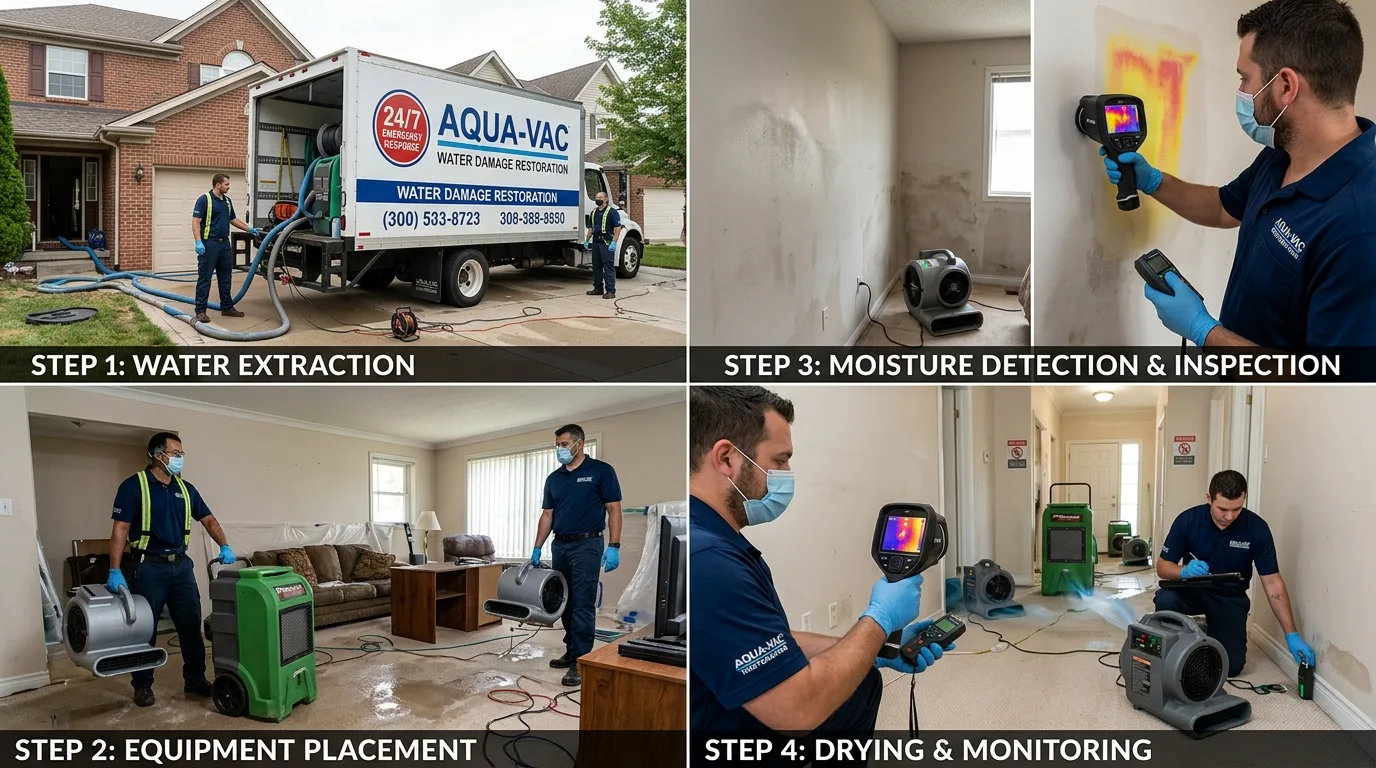
After a water damage event in Spring, TX, your phone will ring — or your neighbor will knock — with offers from contractors who materialized from nowhere. Some are legitimate. Some are not. And even among legitimate contractors, significant differences in certification, equipment, and insurance experience exist that directly affect your outcome. Making the right choice under stress, when your home has water in it and the clock is running, requires knowing what to look for before you need it.
In this post, we walk through the specific credentials that matter for water damage restoration in Texas, the questions to ask any contractor before authorizing work, the red flags that indicate problems, and why local experience in Spring specifically matters.
Questions About Choosing a Restoration Company in Spring TX?
We welcome your questions — transparency is how we work. Call (877) 698-1311 to talk through what a proper restoration looks like.
The Credentials That Matter for Water Damage Restoration
IICRC Water Damage Restoration Technician (WRT): This is the baseline professional certification for anyone doing water damage restoration. It certifies that the technician understands moisture science, drying systems, and contamination protocols. Ask for the specific technician’s certification — not just the company’s general claim of being “IICRC certified.” A company is IICRC-certified when at least one employee holds certification; the technician on your job may or may not be certified.
IICRC Applied Structural Drying (ASD): Advanced certification covering the science of structural drying — psychrometrics, equipment selection, drying system design. Particularly relevant for complex events involving structural saturation.
Texas Mold Assessment Consultant (MAC) and Mold Remediation Contractor (MRC) licenses: Texas requires these separate licenses for mold assessment and remediation work. They are issued by the Texas Department of Licensing and Regulation (TDLR). If your water damage event also requires mold remediation, verify that the company uses separately licensed assessors and remediators.
Liability and pollution liability insurance: Standard liability insurance covers property damage during the restoration process. Pollution liability insurance specifically covers events involving biohazardous materials — Category 3 sewage cleanup, mold remediation, and similar events. Any contractor doing Category 3 work in Spring TX should carry pollution liability insurance.
Workers’ compensation: If a worker is injured on your property during restoration, workers’ compensation insurance is the mechanism that covers their medical expenses without creating a liability claim against your homeowners policy. Verify it’s current.
Questions to Ask Any Water Damage Contractor in Spring
“Which IICRC certifications does the technician assigned to my job hold?” Not the company — the specific technician working in your home. Ask for the certification number. You can verify IICRC certification at the IICRC’s website.
“Do you use truck-mounted or portable extraction equipment?” Truck-mounted extraction is significantly more powerful than portable equipment and removes more water from structural materials in the initial extraction phase. Both have legitimate uses, but a company that only uses portable units has limitations for large events.
“How do you document moisture readings throughout the drying process?” Professional restoration generates written moisture logs with equipment placement, readings, and dates. This documentation is required for insurance claims and provides verification that drying was completed to IICRC standards. A contractor who can’t describe a documentation process is concerning.
“Do you work directly with insurance carriers for billing?” Direct billing eliminates the situation where you pay the contractor and then wait for reimbursement from the carrier. Most established restoration companies in the Spring area offer direct billing to all major carriers.
“What is your timeline for completing the drying phase?” Drying cannot be shortened by adding more equipment past a certain point — structural materials must release moisture at the rate the materials allow. A contractor who promises unusually fast timelines may be planning to report complete before verified dry readings actually support it.
“Are you licensed for reconstruction work in Harris County?” The restoration phase (extraction, drying) and the reconstruction phase (replacing drywall, flooring, and structural materials) require different contractor qualifications. Some restoration companies subcontract reconstruction to unlicensed crews. Verify that reconstruction work will be performed by or under the supervision of a licensed contractor.
Spring Water Damage Restoration — Credentials on Request
We provide our IICRC certifications, Texas licenses, and insurance certificates on request. Call (877) 698-1311.
Red Flags That Indicate Problems
Door-to-door solicitation after a storm: Contractors who knock on doors in neighborhoods that were recently affected by storms or flooding are sometimes legitimate local companies and sometimes out-of-state storm chasers with no permanent local presence. The risk with storm chasers is that they may be unlicensed, underinsured, or simply unavailable for warranty issues after they move to the next market.
“Special deals” that expire immediately: Legitimate contractors price based on the scope of damage — not arbitrary urgency. High-pressure “sign now for a discount” tactics are a manipulation technique that doesn’t reflect professional business practice.
No local physical address: A contractor who cannot provide a local business address — not just a PO Box — may have no permanent local presence. This matters when you need warranty service, when a licensing issue arises, or when an insurance dispute requires contractor cooperation after the job is closed.
Offering to wave your insurance deductible: This is insurance fraud in Texas. A contractor who offers to “handle your deductible” by inflating the claim scope is creating liability for you, not just for themselves.
Vague scope documentation: Any legitimate restoration estimate includes a specific scope of work: which rooms are affected, which materials are being removed or dried in place, the specific equipment being deployed, and the daily monitoring protocol. Vague estimates with line items like “water damage restoration — $3,500” without scope detail are not adequate for insurance claim submission.
Why Local Spring TX Experience Matters
Water damage restoration in Spring is not generic water damage restoration. The specific conditions here — Beaumont clay soil, Cypress Creek flood patterns, Harris County floodplain permit requirements, Spring’s hurricane season exposure — create restoration challenges that contractors without local experience may not handle correctly.
A contractor who has never navigated Harris County’s flood zone permit requirements will create delays during reconstruction for homes in Special Flood Hazard Areas near Cypress Creek. A contractor unfamiliar with clay soil moisture behavior may set drying equipment correctly but fail to account for ongoing soil moisture intrusion against the foundation — leaving a moisture source active that will produce mold weeks after the job is declared complete. A contractor without Texas Mold Contractor licensure cannot legally perform mold remediation in Texas regardless of their water damage experience.
We serve Spring, The Woodlands, Tomball, Klein, and all surrounding Harris County communities as a permanent, year-round business with established relationships with Harris County permit offices and all major insurance carriers in the Texas market. Our team is available before your water event — to answer questions, to provide a free pre-storm assessment, or simply to ensure you have our number saved when you need it.
Frequently Asked Questions
Is there a state license for water damage restoration in Texas?
Texas does not have a state-issued water damage restoration contractor license separate from general contractor licensing. However, Texas requires separate licensing for mold assessment (MAC) and mold remediation (MRC), issued by the Texas Department of Licensing and Regulation. For restoration projects involving mold, verify Texas TDLR licenses in addition to IICRC certifications. Ask any contractor for their TDLR license number and verify it at the TDLR website.
How do I know if a water damage contractor in Spring is legitimate?
Verify IICRC certification at the IICRC website, verify Texas TDLR licenses for any mold work, confirm insurance coverage by requesting certificates of insurance, and check for a physical local address and established Google Business presence. Reviews on Google and the Better Business Bureau also provide independent verification of operational history. See our full guide on Spring TX water damage restoration credentials for what our team specifically provides.
What should a water damage restoration estimate include?
A complete restoration estimate should include: a specific scope of work listing affected rooms and materials, the equipment to be deployed (by type and quantity), the moisture monitoring protocol, the projected drying timeline, the reconstruction scope (if applicable), the total cost or cost range, and the payment terms. Estimates that lack scope specificity cannot support insurance claims and should be considered incomplete regardless of price.
Spring TX Water Damage Restoration — Transparent, Certified, Local
Spring Water Damage Restoration provides credentials on request, detailed written estimates, and direct insurance billing. Call (877) 698-1311.
Related: